At sea
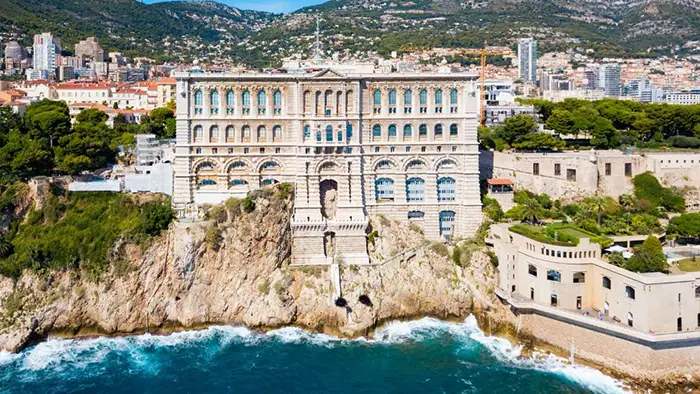
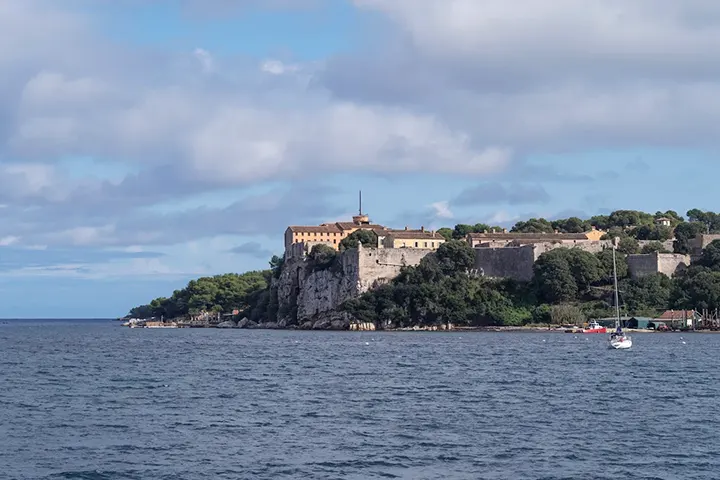
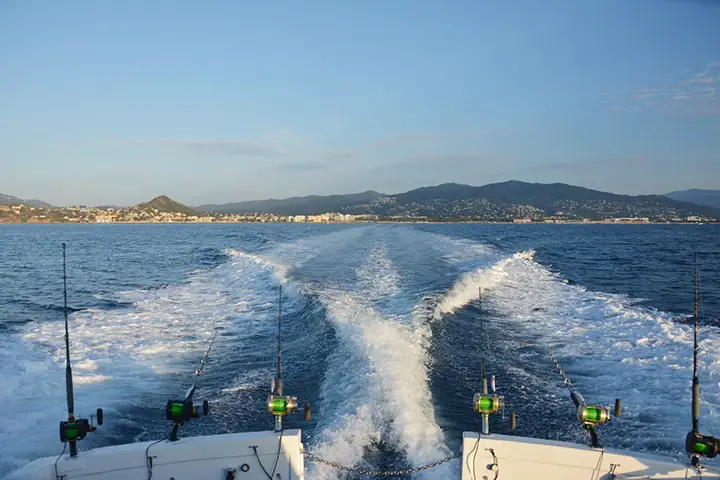
Jet ski, boats with or without a license, diving, deep-sea fishing: the sea is meant to be experienced as much as it is to be admired.

Tourist guide
What to do on the French Riviera? Here, you don't choose a city, you choose a mood. Over 200 addresses that we know well, from Cannes to Menton, organized just like you actually plan a day.
What you need to understand
From Menton to Mandelieu-la-Napoule, the French Riviera forms a continuous territory where the towns blend together: Juan-les-Pins is an extension of Antibes, Golfe-Juan belongs to Vallauris, while Cannes, Le Cannet, Cagnes-sur-Mer, and Villeneuve-Loubet almost naturally flow into one another.
Rather than by city, this guide to Côte d'Azur is therefore organized by desires: beaches, restaurants, culture, outings and discoveries. Since Nice, Cannes, Antibes or Menton, most of the coastline remains easily accessible.
The region can also be discovered through three faces: the Mediterranean coast, the mid-country and its perched villages, then the uplands of the Alpes-Maritimes, which is wilder and more mountainous.
A single line serves the entire coastline
From Cannes to Ventimiglia, the train runs along the coast and stops in almost every town. The Region has announced a service every fifteen minutes between Cannes and Menton as of December 2024.
That is what makes this department unique—and it’s not just a figure of speech. 87 % of its total area is mountainous; the Cime du Gélas rises to 3,143 meters, about fifty kilometers from the Mediterranean, and the nearest ski slopes are an hour and forty minutes’ drive from the beach.
Out of desire
What to do on the French Riviera when you have a day ahead of you? More than 200 places, each with its exact address, phone number, map, and our review. We only include what we know firsthand.

Jet ski, boats with or without a license, diving, deep-sea fishing: the sea is meant to be experienced as much as it is to be admired.


From Renoir and Picasso museums to forts, abbeys, and Belle Époque villas.
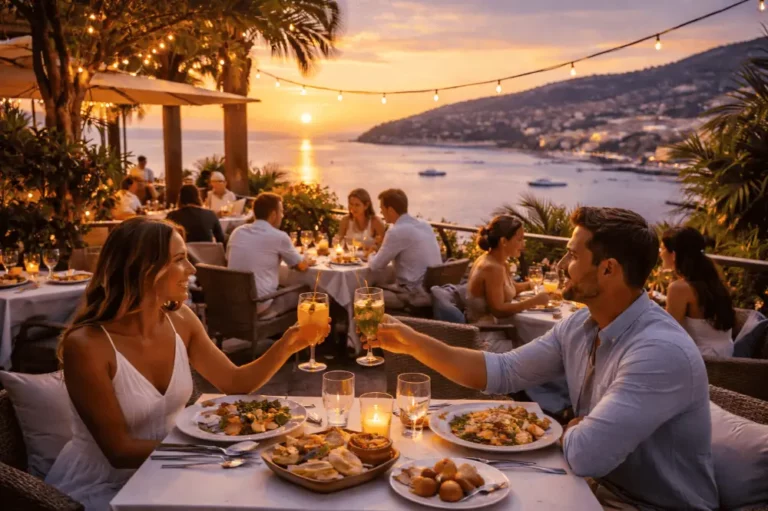
The tables where we go ourselves, from the Niçois bistro to plant-based cuisine.
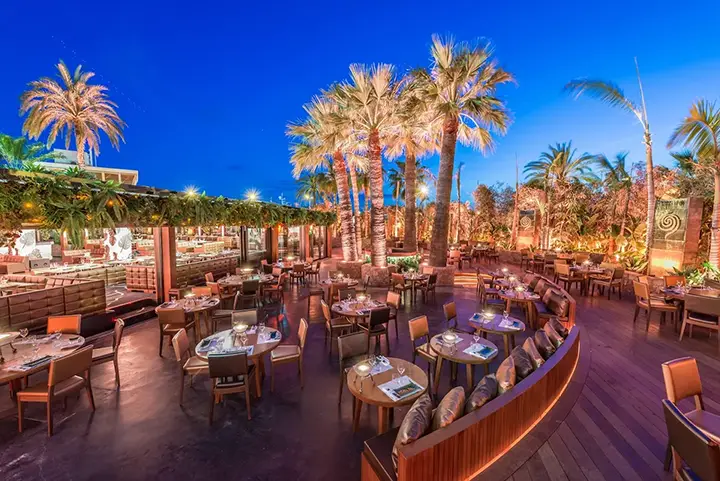
Bars, clubs and terraces that stay open until the end of the night, from Nice to Cannes.
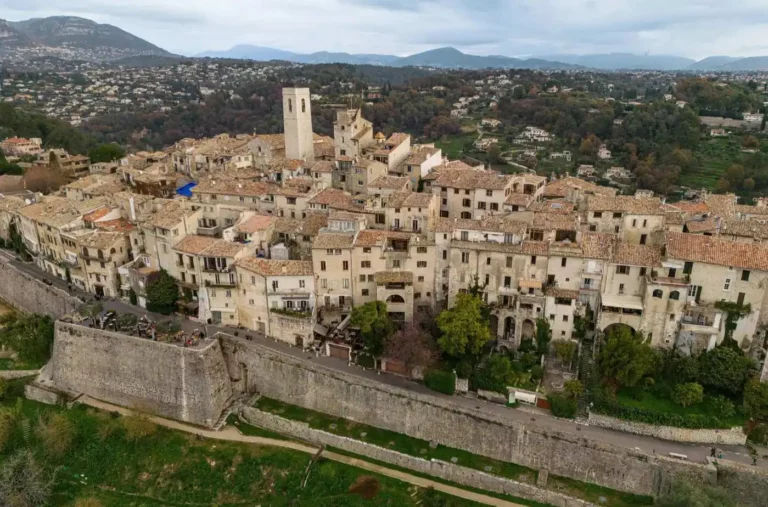
The perched villages of the backcountry, the caves, the lakes, and the coastline by bike.
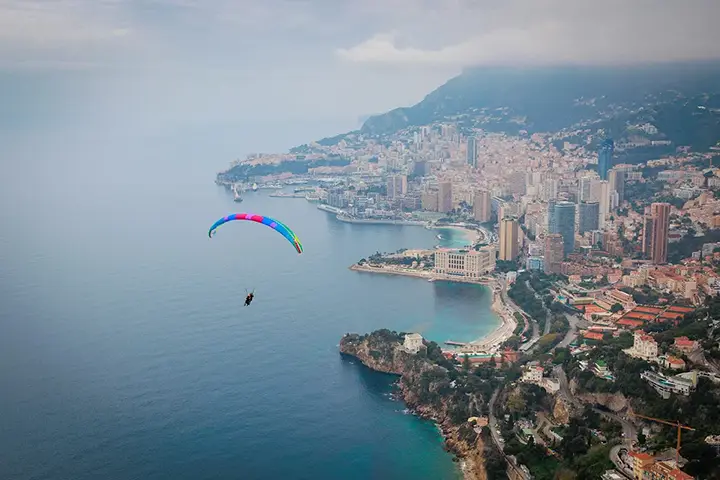
Canyoning, paragliding, via ferrata, rafting: the mountains start an hour away from the beach.
Depending on your stay
What to do on the French Riviera depends a lot on how you are traveling. Five situations, five starting points.
When to come
Nice receives 791 mm of rain per year, but it falls on only 62 days. It rains rarely, but heavily. And contrary to popular belief, the rainiest months are not those of winter, but October and November. Source: Météo-France normals 1991-2020.
The average temperature in January is 9.5 °C. February features the Nice Carnival, the Lemon Festival in Menton, and the Mimosa Festival in Mandelieu.
40 mm of rain in May alone. The perched villages without the crowds, the Cannes Film Festival in May, the Monaco Grand Prix in early June.
July is the driest month of the year: 1.8 rainy days. The coastal road gets saturated, making the train the only reasonable choice.
The two wettest months. But September keeps an average of 21.2 °C with a lot fewer people: it is often the best month.
Major Events
They drive up prices and fill the trains, but they are worth the detour. Dates announced for 2027.
Over 420,000 participants in 2026.
February 9 to 28In Menton, more than 250,000 visitors every year.
February 13 to 2880th edition. The city becomes inaccessible and fascinating.
May 11 to 22The sprint format for the first time.
June 4 to 6If you prefer by city
So start there. Every municipality has its own page, featuring its history, neighborhoods, markets, and beaches.
Who is writing this guide
We manage short-term vacation rentals on the French Riviera. Our guests write to us all year round to find out what to do on the French Riviera, where to eat on a weeknight in November, where to rent a license-free boat, or how to get to a hilltop village without a car. This guide brings together our answers.
A consequence to accept: the addresses we recommend, we know them. No establishment pays to appear here, and the guide grows at the pace of what we verify ourselves.
And a simple rule: if a place disappoints a traveler, it gets dropped from the guide. That's the only advantage of being a small structure, we can afford to do that.
Frequently asked questions
The answers we most frequently give to our travelers, with figures to back them up.
Nowhere and everywhere: the French Riviera has no administrative existence. The name was invented in 1887 by the writer Stéphen Liégeard, by analogy with the Côte-d'Or, his native department, to replace the word Riviera. Tourism institutions today encompass a strip stretching from Menton to Saint-Tropez, and publish their statistics on the Alpes-Maritimes and Monaco.
Not on the coast. A single train line connects Cannes to Menton running along the sea, with a stop in almost every town: count about thirty minutes from Cannes to Nice and forty from Nice to Menton. In summer, it is even the fastest way, as the coastal road is congested. The car becomes useful again as soon as you go inland: perched villages like Saint-Paul-de-Vence do not have a train station, and the mountains are more than an hour and a half away by road. For short trips, see our bike and two-wheeler rental companies.
September, often. It keeps the summer temperatures, an average of 21.2 °C in Nice, with many fewer people than in August. May and June are also very pleasant and rank among the driest months. Do not count on October and November for the beach: they are the two wettest months of the year, with 128 and 138 mm. Winter is mild, 9.5 °C in January, and it is carnival season. Figures taken from Météo-France normals 1991-2020.
It depends on which side of Nice you are on. Nice and a good part of the coastline bordering it are made of pebbles. Sand is mostly found to the west, in Juan-les-Pins, Cannes, and Mandelieu. If you are traveling with young children, this detail matters when choosing where to sleep; for everything related to what happens on the water, see our 40 water sports addresses.
On paper, yes, and that is the true singularity of the French Riviera: Valberg, Auron, and Isola 2000 are an hour and a half's drive from the sea. In practice, the ski season falls right in the middle of winter, and swimming then takes some courage. The most realistic itinerary remains a day on the slopes followed by dinner on a terrace facing the sea, which very few destinations allow.
Let's talk about it
We are reviewing your property and will provide a free estimate of its short-term rental revenue. Response within 24 hours, with no obligation on your part.
Or call us directly: 07 83 35 63 55, 7 days a week.